A Cheap Bottle of Peppermint Oil Just Outperformed Expectations on Blood Pressure
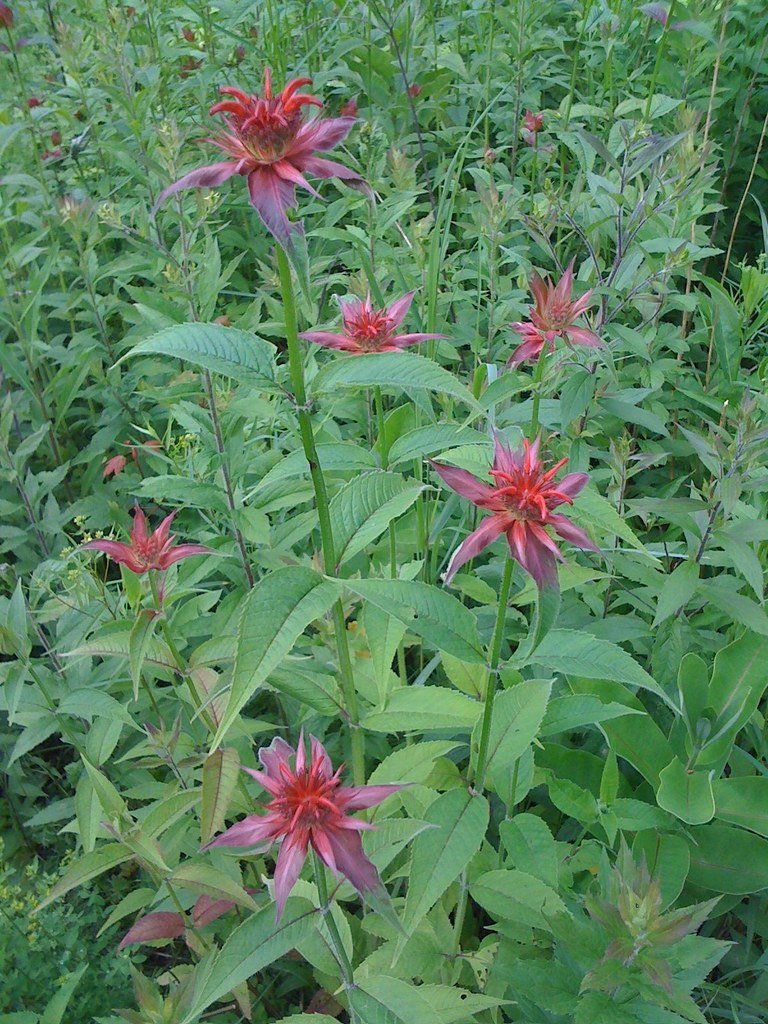
A bottle of peppermint oil costs very little and sits in plenty of kitchen cupboards. A new study from the University of Lancashire in the UK suggests it might do more than freshen breath: in a small clinical trial, it lowered blood pressure in adults whose readings were creeping too high.
The researchers recruited 40 adults aged 18 to 65 with prehypertension or stage 1 hypertension, meaning blood pressure that is above the healthy range but not yet in the severe category that usually calls for medication. Participants were randomly split into two groups. One took 100 microliters of peppermint oil twice a day for 20 days. The other took a peppermint-flavoured placebo that tasted similar but contained none of the active oil.
What the trial found
After 20 days, the peppermint oil group's average systolic blood pressure, the top number in a reading, had fallen by 8.5mmHg. The placebo group showed no meaningful change. The team also tracked body measurements, blood test results, diastolic pressure, heart rate, mental well-being, and sleep quality. The study was published in the journal PLOS One, led by Dr. Jonnie Sinclair with colleagues including Benjamin Sant, XuanYi Du, Gareth Shadwell, Stephanie Dillon, Bobbie Butters, and Lindsay Bottoms.
Peppermint naturally contains menthol and plant compounds called flavonoids, which are thought to be behind the effect. The trial used an oral peppermint oil supplement, which is far more concentrated than peppermint tea, so a few cups of tea shouldn't be expected to do the same thing.
Why researchers are interested
"High blood pressure is one of the biggest causes of heart disease and death worldwide," Sinclair said. Long-term blood pressure medication works, but it costs money every month and can come with side effects, which is why researchers keep looking for simple, cheap options that might help people at the early stages. "Peppermint oil is low in calories and price so it's proved to be a very simple and cost-effective solution," he said, adding that it could eventually offer a simple additional option for managing elevated blood pressure.
The question matters in India in particular. India's National Family Health Survey (NFHS-5) found that roughly one in five adults has high blood pressure, and many people with borderline readings don't know it, because high blood pressure usually has no symptoms until it causes damage.
What to keep in mind
This is a pilot study: 40 people over 20 days is an encouraging early signal, not evidence that should change medical guidelines. Larger and longer trials would need to confirm whether the effect holds up, how long it lasts, and who benefits most.
Peppermint oil is also not risk-free. Concentrated oil can cause heartburn in some people and can interact with other medicines, so anyone already taking blood pressure medication, or managing another condition, should check with a doctor before adding it. For now, the established basics, cutting back on salt, staying active, keeping a healthy weight, and taking prescribed medication, remain the proven way to bring blood pressure down.
Frequently Asked Questions
Does peppermint oil lower blood pressure?
In a small University of Lancashire trial of 40 adults with mildly raised blood pressure, taking peppermint oil twice daily for 20 days lowered average systolic blood pressure by 8.5mmHg, while a placebo had no meaningful effect.
How much peppermint oil was used in the study?
Participants took 100 microliters of peppermint oil twice a day for 20 days.
Does peppermint tea have the same effect?
Not necessarily. The study used a concentrated oral peppermint oil supplement, which is much stronger than peppermint tea.
Should I take peppermint oil instead of blood pressure medicine?
No. This was a small pilot study. Anyone with high blood pressure, or already on medication, should talk to a doctor before trying supplements.
Source: ScienceDaily