Scientists Found a Gut Bacterium That Seems to Build Muscle Strength
Researchers in the Netherlands and Spain have identified a gut bacterium that appears to be linked to stronger muscles, and in mice, adding it directly made them measurably stronger. The study, titled "Roseburia inulinivorans increases muscle strength," was published in the journal Gut in 2026.
What they found in people
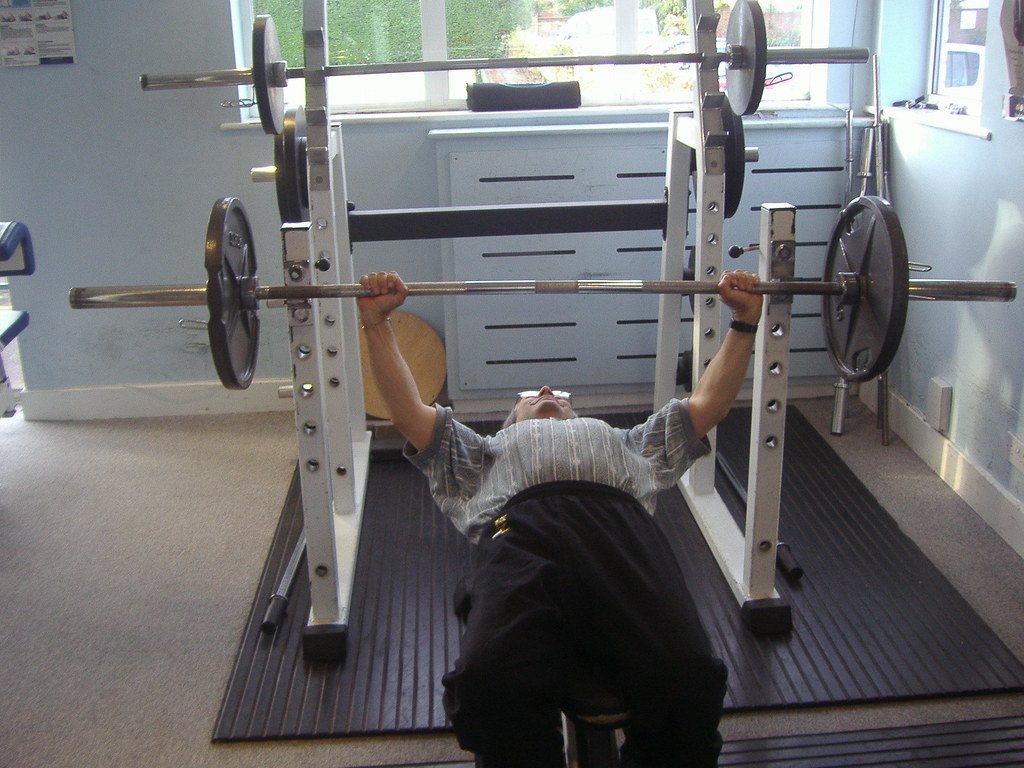
The team analysed stool samples from 90 healthy young adults aged 18 to 25 and 33 older adults aged 65 and over, and measured their handgrip strength, leg press and bench press performance, and VO2 max, a measure of cardiorespiratory fitness.
Of all the bacteria in the gut, Roseburia was the only group linked to both muscle mass and strength. One species stood out: older adults with detectable levels of Roseburia inulinivorans had 29% greater handgrip strength than those without it. Crucially, their peak oxygen uptake wasn't higher too, which suggests the bacterium was linked to strength specifically rather than to being fitter overall. In younger adults, higher levels were linked to stronger grip and better leg and bench press performance.
The bacteria also became scarcer with age. The maximum share of R. inulinivorans in the gut was 6.6% in young adults but just 1.3% in older adults, a decline that lines up with when age-related muscle loss typically sets in.
Testing it in mice
To see whether the bacterium could actually cause the effect rather than just appear alongside it, the researchers used 32 mice. They first cleared out the animals' gut microbiomes with antibiotics, then gave them one of three Roseburia strains, or nothing, every week for eight weeks.
Mice given R. inulinivorans had about 30% greater forelimb grip strength than the untreated mice, at 4, 6, and 8 weeks. Their muscles had larger fibres and a higher proportion of type II, or "fast-twitch," fibres, the kind used for short bursts of power like lifting or sprinting. Proteins and enzymes involved in muscle energy production also changed. None of the strains improved endurance, though: the mice didn't run any longer before tiring.
Why it matters
Handgrip strength isn't a party trick. Doctors use it as a simple marker of how well someone is ageing, because it tracks closely with mobility, independence, and even the risk of death in older adults. Age-related muscle loss, known as sarcopenia, affects a large share of older people and has few effective treatments beyond exercise and good nutrition.
The researchers say their findings provide "robust evidence supporting a gut-muscle axis," and point to a "potential role for R inulinivorans as a probiotic candidate for preserving muscle strength."
The caveats
This is early research. The human part of the study shows an association, and it's possible that weaker muscles lead to fewer of these bacteria rather than the other way round. The human bacteria also didn't permanently settle in the mice's guts. Larger, longer studies in people would be needed before anything like a probiotic could be recommended, so this isn't something to buy in a capsule yet. But it points to the gut as a promising new place to look for ways to keep people strong as they age.
Frequently Asked Questions
Which gut bacterium is linked to muscle strength?
Roseburia inulinivorans. Older adults with detectable levels had 29% greater handgrip strength than those without it.
Did the bacterium make mice stronger?
Yes. Mice given Roseburia inulinivorans had about 30% greater forelimb grip strength after 4 to 8 weeks, with larger, more fast-twitch muscle fibres.
Can I buy a Roseburia probiotic?
Not yet. The research is at an early stage, and larger human studies are needed before it could be developed into a probiotic.
Where was the study published?
In the journal Gut, by researchers in the Netherlands and Spain.
Source: ScienceDaily