England Just Committed to Saving 320,000 More Cancer Lives by 2035
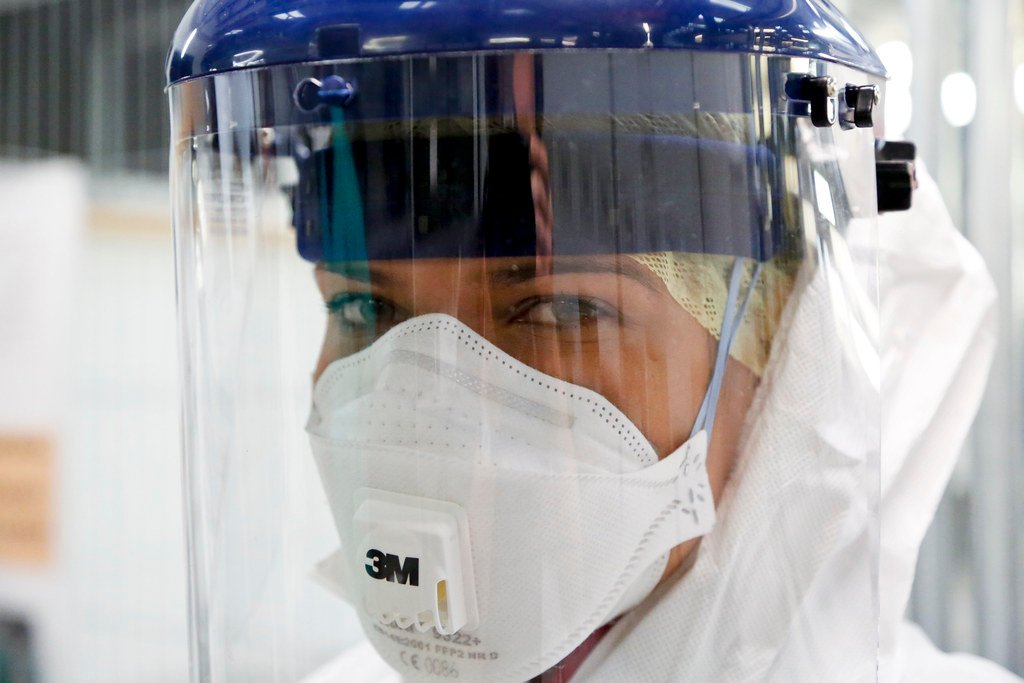
England's government has set itself one of its most ambitious health targets in years. Its new National Cancer Plan, published on February 4, 2026, aims for three in four people diagnosed with cancer in 2035 to be cancer-free or living well five years later. Today, the figure is around six in ten. The Department of Health says hitting the target would mean about 320,000 more lives saved over the plan's lifetime, and would be the fastest improvement in cancer outcomes this century.
Where the money goes
The plan's focus is less on any single breakthrough drug and more on the unglamorous infrastructure that decides how quickly people are diagnosed and treated:
- Diagnostics: a £2.3 billion investment to deliver 9.5 million additional tests by 2029, through more scanners, digital technology, and automated testing. Community diagnostic centres are to open 12 hours a day, seven days a week where possible.
- Robotic surgery: robot-assisted procedures are to rise from about 70,000 a year to half a million by 2035, with a national registry and new training standards for surgeons.
- Genomics and AI: wider access to genomic testing to match treatment to each patient's specific cancer, alongside AI tools and blood-based "liquid biopsy" tests.
- Screening: full rollout of lung cancer screening by 2030, and more sensitive bowel cancer screening tests by 2028.
Hard deadlines
The plan commits to meeting all of England's cancer waiting-time targets by 2029, targets that have been missed for more than a decade. They include 80% of patients receiving a diagnosis or an all-clear within 28 days of an urgent referral, 85% starting treatment within 62 days, and 96% starting within 31 days of a decision to treat. It also aims for three in four cancers to be diagnosed at stage 1 or 2 by 2035, when treatment is far more likely to succeed.
A new National Cancer Board will oversee delivery, with annual progress reports and a review in the plan's third year.
What critics say
Cancer Research UK welcomed the plan as a potential turning point but said it is "not yet enough." Its main concerns are a lack of detail on who is responsible for delivering each commitment and by when, and uncertainty over whether funding will match the promises. It also said the plan could have gone further on prevention, for example by introducing minimum unit pricing for alcohol, as Scotland and Wales have done. Liberal Democrat leader Sir Ed Davey called the plan "unfunded."
On prevention, the plan does back the Tobacco and Vapes Bill, tighter rules on sunbeds, and efforts to increase HPV vaccination, which protects against several cancers including cervical cancer.
Why it's worth watching
Ten-year health plans have a reputation for not surviving the next budget or election. What makes this one worth following is how specific it is: named targets, deadlines, and a governance structure that will report on progress every year. That makes it easier to tell, year by year, whether England is actually on track.
The lessons travel. India faces a rising cancer burden too, and many of the same levers, earlier diagnosis, wider screening, and faster treatment after referral, are exactly where the biggest gains in survival tend to come from.
Frequently Asked Questions
What is the goal of England's National Cancer Plan?
For three in four people diagnosed with cancer in 2035 to be cancer-free or living well five years later, which the government says would save about 320,000 more lives.
How much is England investing in cancer diagnosis?
The plan commits £2.3 billion to deliver 9.5 million additional diagnostic tests by 2029.
What are the cancer waiting time targets?
By 2029, 80% of patients should get a diagnosis or all-clear within 28 days of urgent referral, 85% should start treatment within 62 days, and 96% within 31 days of a decision to treat.
Source: Cancer Research UK