This Foundation Lets You Adopt a Tree, Not Just Plant One
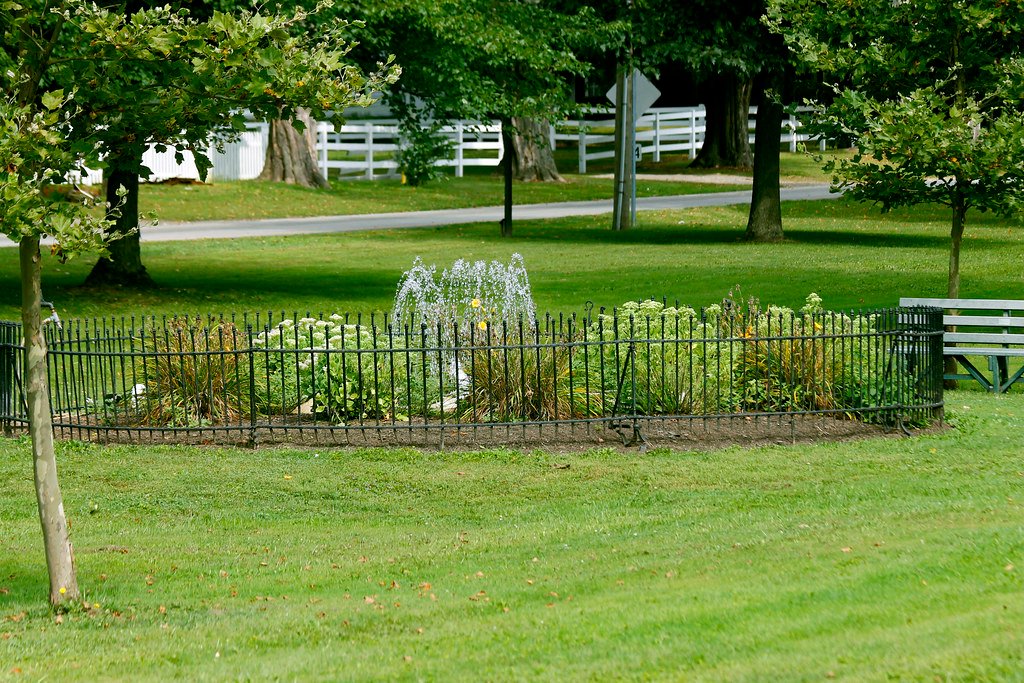
Anyone who has been to a tree-planting drive knows roughly how it goes. Dig a hole, drop in a sapling, take a photo, go home. Nobody comes back a month later to check whether it survived the next dry spell, and a lot of them don't.
Somnath Ghosh, 29, built Brikkho Foundation around fixing exactly that gap. Based in Santiniketan, in West Bengal's Birbhum district, the foundation describes itself as India's first "orphanage home for trees." Ghosh's argument is that trees become orphans in two ways: when they're cut down carelessly, and when they're planted for a ceremony and then abandoned. Brikkho's job is to give them a guardian.
How adopting a tree works
Instead of planting and walking away, people adopt a specific native tree online for a one-time contribution of ₹600. That pays for planting, protection, monitoring, and maintenance for three years, by which point a tree is generally able to survive on its own. The foundation plants in clusters, currently focused on the Sonajhuri forest near Santiniketan, and handles the unglamorous work: pre-monsoon soil preparation, fencing repairs, organic inputs, and regular audits.
Adopters can follow their tree through a "Track My Plant" feature with geo-tagged photos and periodic updates, and receive a Green Hero Certificate with their tree's location. Prosun Chanda, a 27-year-old media worker from Kolkata, adopted a mahogany tree on his birthday in January 2022 and still gets updates on it.
The planting itself is deliberately varied. Rather than rows of a single species, Brikkho plants layered, mixed native ecosystems, with neem, shal, kadam, banyan, peepal, and native shrubs, closer to how a real forest grows.
The numbers
Since its founding in 2021, Brikkho has planted around 2,000 trees with roughly 500 to 600 adopters, many of them from Indian cities, the Bengali diaspora, and overseas Indian communities. The foundation reports a 95% survival rate, a figure most one-day planting drives couldn't come close to. About 50 volunteers, including students, plantation experts, retired officers, and schoolteachers, keep it running.
Where it came from
The idea draws on Rabindranath Tagore's vision for Santiniketan, where learning happened under the trees and nature was treated as part of community life. Ghosh grew up interested in plants and animals and later worked on an assignment with the Burdwan Forest Department. He gave up a multimedia studio, with its cameras, drones, and editing systems, to do environmental work full time.
It began during the COVID-19 lockdown, when he and a group of volunteers formed Helping Hands. They fed stray dogs for 150 consecutive days, delivered medicines to elderly residents, and sent relief to the Sundarbans after Cyclone Amphan. "If I do not act right now, there is absolutely no guarantee I will be able to do it in the future," he recalls thinking.
More than trees
Brikkho's work has spread beyond planting. Volunteers ran a clean-up of the Kopai River for about seven months, working on 120 to 150 days, and the foundation collaborates with the Wildlife Institute of India on restoring the river through better waste management. Its Share Happiness Programme has distributed more than 5,000 food packets, and it runs awareness programmes in around ten villages. The Forest Department has provided land and formally recognised its work, and local farmers have volunteered land for planting too.
Its longest-term project, Mission Green Santiniketan 2050, aims to plant trees now that can replace the town's ageing century-old ones before they're lost. "A forest of 10,000 trees is beautiful," Ghosh says, "but it becomes revolutionary when it is built by 10,000 conscious individuals."
It's a slower model than a one-day drive, and it won't produce a group photo with hundreds of saplings in the ground by lunchtime. But follow-through is the part that was always missing, and it's what decides whether any of this becomes real forest cover a decade from now.
Source: The Better India