3,000 People Got Their Sight Back in a 12-Day Surgical Marathon
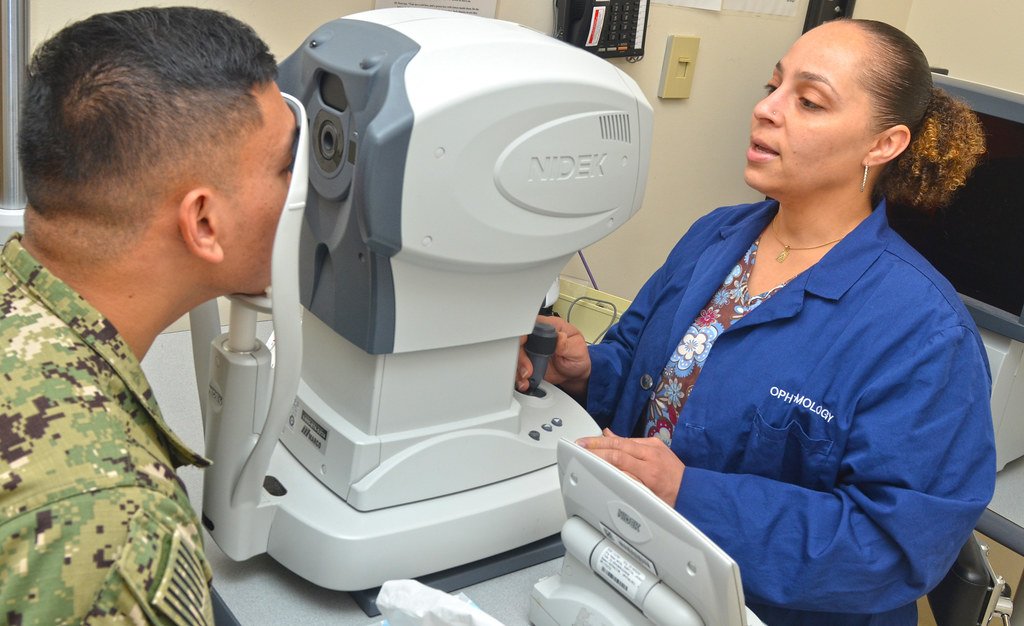
For 12 days in May 2026, a community hospital in Cocorite, Trinidad and Tobago, ran what its organisers called a surgical marathon. From May 14 to 26, volunteer eye surgeons operated every day, and by the end, about 3,000 people who had been living with clouded or failing vision could see again, free of charge.
A treatable cause of blindness
Cataracts, a clouding of the eye's natural lens, are among the leading causes of blindness worldwide, and among the most treatable. The surgery itself is routine: the clouded lens is removed and replaced with a clear artificial one. "When we replace that lens, people see again," said Reynold Agard, president of Hands International, one of the partner organisations.
The problem is access. In stretched health systems, waiting lists can run for years, and for many people the cost puts surgery out of reach entirely. Some patients in Cocorite had been waiting years; others had never been able to afford it at all. Most arrived without the pre-surgical screening usually done beforehand, again because of cost, and sorting out who had been screened and who still needed checks turned out to be the biggest logistical challenge of the whole effort.
How 3,000 surgeries fit into 12 days
The operation was organised by the Seventh-day Adventist Church through its Community Hospital in Cocorite, working with Hands International and Eyes for India. The pace was made possible by a high-volume cataract surgery technique developed by Eyes for India's founder and chief ophthalmologist, Jacob Prabhakar. Using it, the volunteer surgical teams were able to carry out roughly 450 procedures a day. Most were minimally invasive, with patients seeing improvement quickly and going home soon afterwards. The organisers had aimed for around 4,000 cataract operations.
Alongside cataracts, the teams also treated pterygium, sometimes called "surfer's eye," a non-cancerous growth on the surface of the eye linked to years of exposure to sunlight, wind, and dust. It is common among people who spend their working lives outdoors, such as farmers, fishermen, and labourers.
Alexander Isaac, health ministries director for the church's Caribbean Union Conference, described the work as part of a broader mission of care: "As we care for people physically, we also create opportunities to minister to spiritual needs."
An idea with Indian roots
The model will be familiar to readers in India, which has long been a world leader in high-volume, low-cost cataract surgery. Hospitals such as Aravind Eye Care System in Tamil Nadu showed decades ago that careful organisation and specialised techniques could let surgeons safely treat far more patients at a fraction of the usual cost, an approach now studied and copied worldwide. The Trinidad marathon, built around a technique from a group called Eyes for India, is that same idea at work on the other side of the world.
Why it matters
Clearing a surgical backlog rarely makes headlines, because it isn't dramatic in the way a single rescue is. It's logistics, funding, and volunteer surgeons doing repetitive, demanding work for nearly two weeks straight. But for the 3,000 people who can see clearly again, many of whom can now go back to work, read, or care for their families, it may be the most important thing that happened to them this year.
Frequently Asked Questions
How many eye surgeries were done in Trinidad in May 2026?
About 3,000 people had free cataract or pterygium surgery during a 12-day surgical marathon from May 14 to 26, 2026.
Who organised the Trinidad eye surgery marathon?
The Seventh-day Adventist Church, through its Community Hospital in Cocorite, with partners Hands International and Eyes for India.
How did surgeons perform so many operations?
A high-volume cataract technique developed by Eyes for India founder Jacob Prabhakar allowed teams to carry out about 450 procedures a day.
Source: Good News Network