Navi Pillay, the Durban-Born Daughter of an Indian Tamil Family, Wins the 2026 Nobel Peace Prize
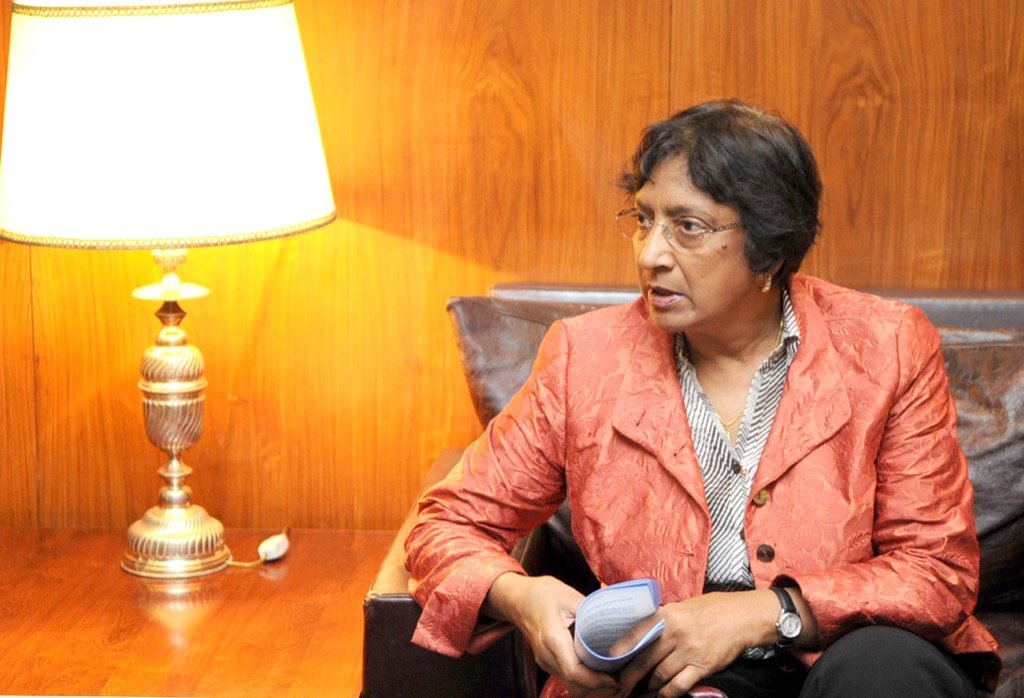
The Norwegian Nobel Committee awarded the 2026 Nobel Peace Prize to Navanethem "Navi" Pillay on October 9, recognising her efforts to promote peace and international law. The South African jurist, born in Durban in 1941 into a family of Indian Tamil descent, is a former UN High Commissioner for Human Rights and a former judge at the international tribunals for Rwanda and at the International Criminal Court.
She becomes the fifth South African to win the Peace Prize, after Albert Luthuli, Desmond Tutu, Nelson Mandela, and F.W. de Klerk, and dedicated the award to "all of the survivors of international crimes."
Navanethem "Navi" Pillay, the South African jurist who rose from an apartheid-era Durban neighbourhood to the top of international human rights law, has won the 2026 Nobel Peace Prize. The Norwegian Nobel Committee announced the award on October 9, recognising her efforts to promote peace and international law.
Pillay was born in Durban in 1941 into a working-class family of Indian Tamil descent. Under apartheid, she trained as a lawyer and in 1967 opened her own practice in Natal province, defending anti-apartheid activists and campaigning for the rights of political prisoners. In 1995 she became one of the first non-white women appointed to South Africa's High Court.
Her international career began the same year at the International Criminal Tribunal for Rwanda, set up after the 1994 genocide. She later served as the tribunal's president, and was on the bench for the Akayesu judgment, which recognised that rape can constitute an act of genocide. In 2003 she became a judge of the International Criminal Court, and from 2008 to 2014 she was the UN High Commissioner for Human Rights.
Announcing the prize, committee chair Jørgen Watne Frydnes said Pillay had been "instrumental in ensuring that war crimes, crimes against humanity, and genocide are prosecuted," and that international law and its institutions are under growing pressure. Pillay dedicated the award to "all of the survivors of international crimes."
She is the fifth South African to receive the Peace Prize, following Albert Luthuli, Desmond Tutu, Nelson Mandela, and F.W. de Klerk. The prize will be formally presented in Oslo on December 10, 2026.
Why It Matters
Pillay's career tracks the modern history of international justice. As a judge at the International Criminal Tribunal for Rwanda, she was part of the bench that, in the landmark Akayesu case, recognised rape as a crime that can constitute genocide, a ruling that shaped how sexual violence in war has been prosecuted ever since.
The Nobel Committee framed the award around a wider point: that international law and the institutions that enforce it are under pressure. Committee chair Jørgen Watne Frydnes said Pillay had been "instrumental in ensuring that war crimes, crimes against humanity, and genocide are prosecuted."
For readers in India, there is also a personal thread. Pillay grew up in a working-class family of Indian Tamil heritage in apartheid-era Durban, and became one of the first non-white women to practise law, and later to sit as a judge, in South Africa.
Key Details
- Laureate: Navanethem "Navi" Pillay, South Africa
- Announced: October 9, 2026, by the Norwegian Nobel Committee
- Recognised for: Her efforts to promote peace and international law
- Born: Durban, South Africa, 1941, to a family of Indian Tamil descent
- Key roles: Anti-apartheid lawyer; judge, International Criminal Tribunal for Rwanda; judge, International Criminal Court; UN High Commissioner for Human Rights
- South African Peace laureates: Fifth, after Luthuli, Tutu, Mandela, and de Klerk
- Award ceremony: December 10, 2026, in Oslo
Expert Analysis
That last role made the award contentious in some quarters. Israel sharply criticised the decision, while the Nobel Committee said it was not taking a position on the commission's findings, which it said were for international courts to rule on. UN Secretary-General António Guterres welcomed the award, describing Pillay as a steadfast and independent voice for justice.
Pillay herself kept the focus on victims of atrocities. Speaking in Nuremberg, the city where Nazi leaders were tried after the Second World War, she dedicated the prize to survivors of international crimes, and drew laughter and a standing ovation when she joked about sharing it with U.S. President Donald Trump, who has openly said he wants the award.
Historical Context
Pillay opened her own law practice in Natal province in 1967, at a time when apartheid laws made it extremely difficult for a non-white woman to practise. She defended anti-apartheid activists, fought for the rights of political prisoners on Robben Island, and in 1995 became one of the first non-white women appointed to South Africa's High Court.
That same year she joined the International Criminal Tribunal for Rwanda, later serving as its president, and in 2003 became a judge of the newly formed International Criminal Court in The Hague. From 2008 to 2014 she served as UN High Commissioner for Human Rights. More recently she chaired the UN Independent International Commission of Inquiry on Israel and the occupied Palestinian territory, which in September 2025 concluded that Israel was committing genocide in Gaza.
Key Takeaways
- Navi Pillay won the 2026 Nobel Peace Prize for her efforts to promote peace and international law.
- She was born in Durban in 1941 into a family of Indian Tamil descent and began her career as an anti-apartheid lawyer.
- She served as a judge on the Rwanda tribunal and the International Criminal Court, and as UN High Commissioner for Human Rights from 2008 to 2014.
- She is the fifth South African to win the Peace Prize, after Luthuli, Tutu, Mandela, and de Klerk.
- The prize will be presented in Oslo on December 10, 2026.
Frequently Asked Questions
Who won the 2026 Nobel Peace Prize?
Navanethem "Navi" Pillay, a South African jurist and former UN High Commissioner for Human Rights, won the 2026 Nobel Peace Prize, announced on October 9, 2026.
Why did Navi Pillay win the Nobel Peace Prize?
The Norwegian Nobel Committee recognised her efforts to promote peace and international law, including her work prosecuting war crimes, crimes against humanity, and genocide.
Is Navi Pillay of Indian origin?
Yes. Pillay was born in Durban, South Africa, in 1941 into a family of Indian Tamil descent.
When is the 2026 Nobel Peace Prize ceremony?
The award ceremony takes place in Oslo on December 10, 2026, the anniversary of Alfred Nobel's death.